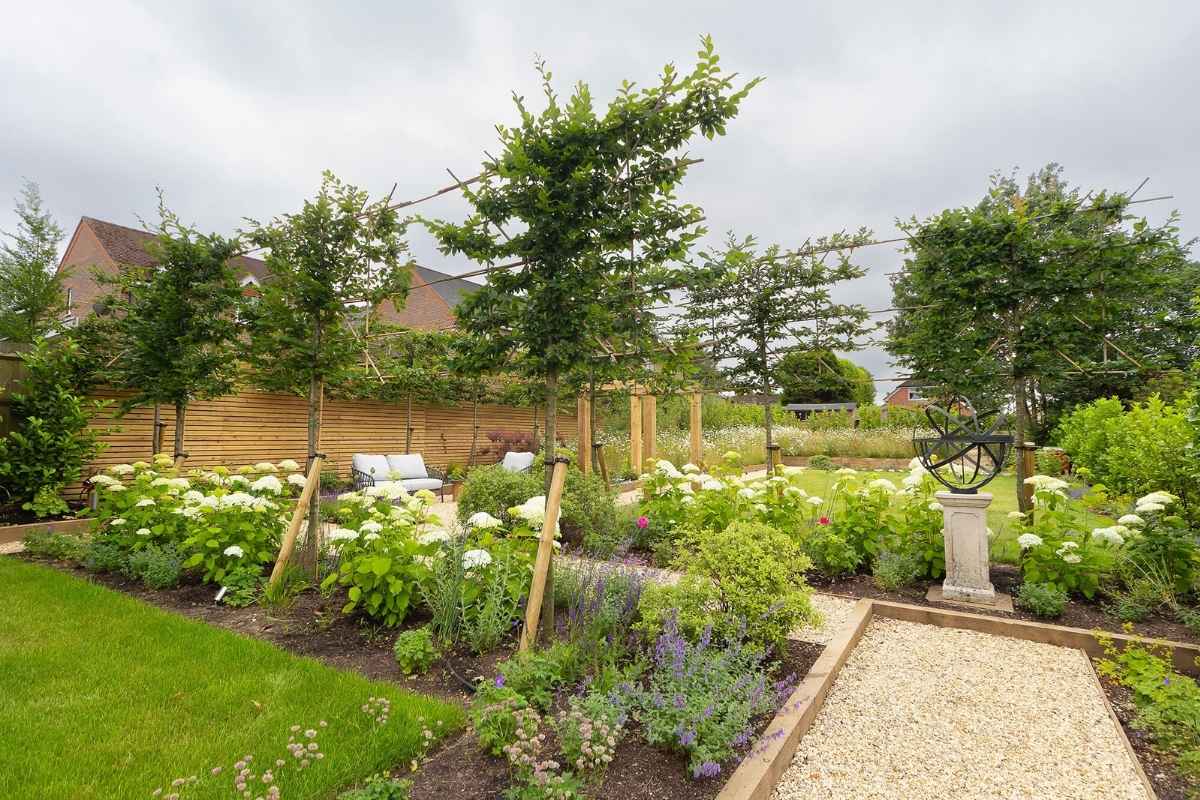

Getting a new garden is a beautiful thing, all the excitement of having the perfect outdoor space, made just for you. But a garden is a living thing, and to keep it alive and thriving takes time and effort.
Maintaining a new garden comes down to consistent watering, careful feeding, regular weeding, and some light pruning while your plants establish strong roots. In particular, the first year is key. Your garden will need attentive care to ensure that your outdoor space continues to be beautiful for years to come.
In this blog, we are going to be discussing the key tips you need to know so your garden stays just the way you want it, for the long term, not just right now.
How Often to Water a New Garden
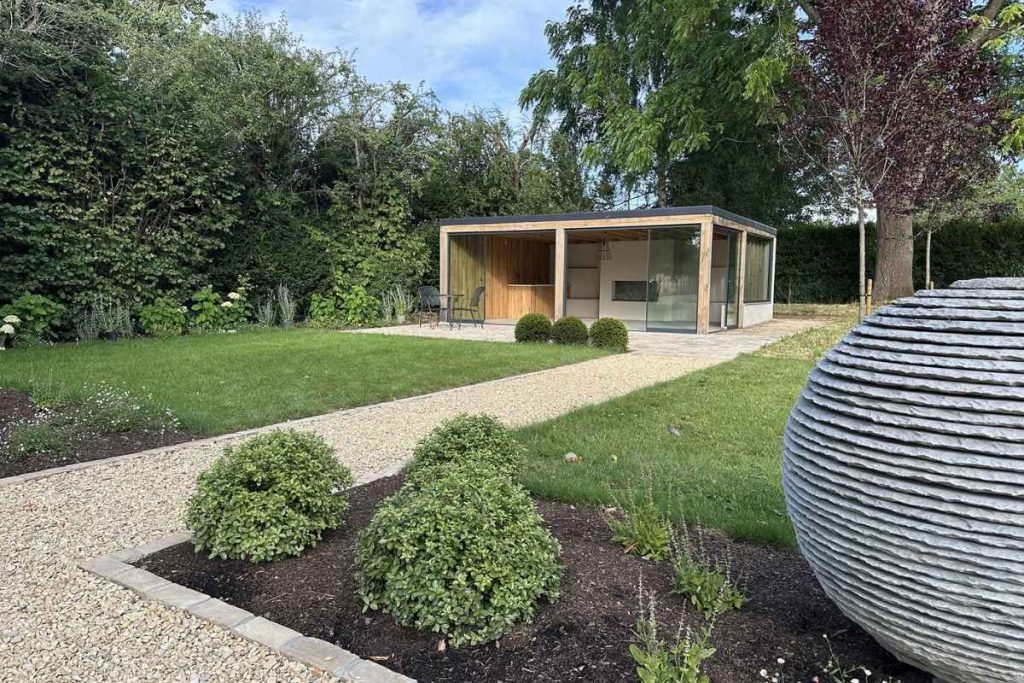
New plants need consistent, deep watering, but they can be overwatered, so it is critical to get it right from the start. Newly planted gardens need watering to help establish roots below the surface, rather than staying shallow and not embedding.
Watering young trees and shrubs should focus on soaking the soil thoroughly so the moisture reaches the root area, about 20-30cm. Newly seeded lawns need to be watered regularly, 2-3 times a week, potentially every day in dry or hot weather. This is to prevent the top layer from drying out and the roots from failing to establish.
Even when the weather is rainy, you should still check the soil to ensure that the water is penetrating deeply enough. Generally speaking, it is a good idea to water in the early morning or evening, to minimise evaporation and allow plants to absorb the moisture.
Overwatering your flowers and shrubs can be a problem, but there are some telltale signs that you can watch out for:
- Wilted leaves
- Brown leaves
- Shedding leaves
- Mushy stems
- Mouldy stems
- Blistered leaves
- Root rot
Improve Soil Health by Mulching and Feeding
Healthy soil is the literal foundation of a healthy garden, especially right after landscaping.
Mulch is a loose covering of material like bark, compost, or other organic matter that helps to:
- Retain moisture
- Reduce the need for watering
- Suppress weeds
- Improve soil
- Protect plant roots from extreme temperatures
Biodegradable mulch breaks down over time and releases nutrients. Some of the best materials are compost, wood chippings, processed bark, and leaf mould.
In addition to mulch, feeding your new garden is highly beneficial. New gardens can lack nutrients, so adding a balance of fertilisers and organic compost supports steady and healthy growth.
The Royal Horticultural Society have an article detailing when and how you should feed your garden.
If you are looking for guidance on how to maintain and care for your garden, visit our service page to see how we can help you.
Keep on Top of Weeds Early
Weeds are one of the biggest challenges for any new garden, but the most important part is dealing with them early.
Newly landscaped gardens have freshly disturbed soil, so they are prone to weeds. Removing these weeds early, while they are still small, and preventing them from establishing deep roots is key. If the weeds are allowed to embed, they can begin to compete with your chosen plant for nutrients and water.
The only way to catch fast-growing weeds early is to have regular weed sessions, rather than a big one; this might allow weeds to get a foothold on your garden. Just a few minutes each week should be enough to keep your garden looking clean and keep your plants healthy.
Mulching, as previously mentioned, can help prevent weeds from returning if they have rooted deeply. By scattering some mulch over the weeds’ roots, you can smother the plant and halt its growth.
Prune, Trim, and Encourage Healthy Growth
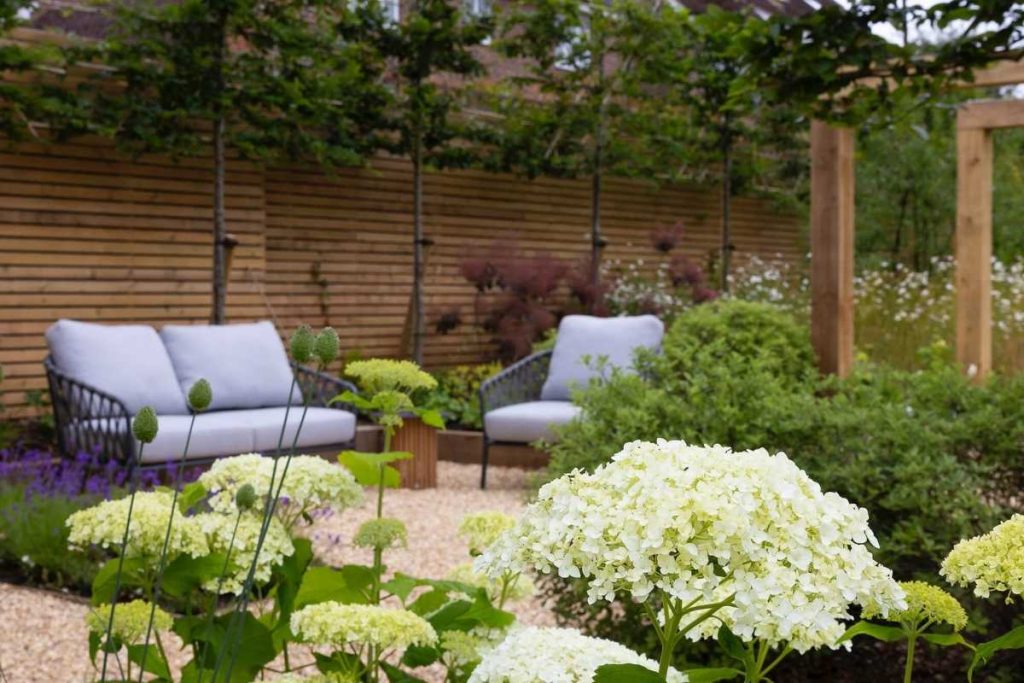
In an early-stage garden, light pruning and maintenance are important.
Removing dead or damaged growth helps plants to focus their energy and nutrients on healthy development. Over time, this will encourage your plants to grow bigger, stronger, and develop stronger root systems.
Similarly, deadheading flowers will prevent them from setting seeds, encouraging them to produce more flowers. They should continue to flower through summer and autumn due to the redirected energy.
Monitor and Adapt to Changing Conditions
Every garden is a living ecosystem and unique, so careful observation is crucial to ensure its maintenance and growth.
You should get to know your garden; understanding the soil and sunlight is essential for effective care. Identifying which part of the garden dries quickly, or stays damp for long periods, will help you choose the plants that will thrive in each spot.
The weather and its effect on your garden will be extremely important. Sudden changes in temperature, wind, and rainfall can impact your new garden.
Adjusting your care routine to compensate for these conditions will ensure that your garden is healthy for years to come.

Create a Garden That Lasts
A new garden is an investment in your home and happiness, and it is worth protecting.
By focusing on the proper watering, feeding, weeding, pruning, and monitoring, your garden will only thrive and get better with time.
If you are looking for experts to guide you through your landscaping vision, our team at Winslade Landscaping can help. Whether it is maintenance and care services or a full transformation, we will ensure your outdoor space thrives.
Get started with Winslade Landscapes, and bring your dream garden to life.