Are you looking to transform your empty garden into a beautiful and functional outdoor space? Professional landscaping takes your garden from a blank canvas to a well-designed, expertly built oasis, tailored to your lifestyle.
Combining thoughtful planning, soil preparation, structural elements, and the right planting, a professional landscaper ensures your garden is both stunning and long-lasting.
In this beginner’s guide to landscaping, we are going to walk through how a professional would deliver long-term value, healthy plants, and a journey from ideas to completion.
The Vision
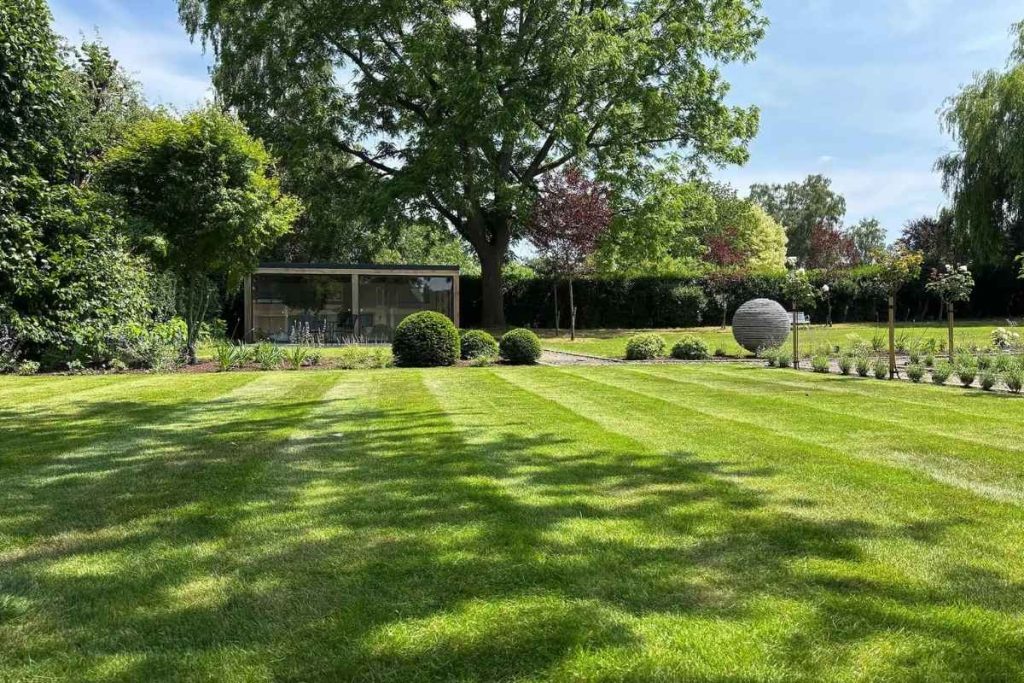
Every dream garden needs to have a clear plan. Successful garden design starts with assessing your space, including things like soil type, drainage, sunlight, and how you want to use the garden. Without this initial preparation, even the most amazing gardens can fail in the long term.
Professional landscaping begins with a detailed site survey. This includes evaluating:
- Soil structure and fertility
- Existing plants
- Sun patterns and shaded areas
- Access and levels
- Drainage and water flow
Matching your plants to your garden is essential when considering long-term garden life. Professional landscapers will prioritise design and planning before any kind of construction. A well put-together plan will help to prevent costly mistakes and ensure your garden is beautiful year after year.
For homeowners searching for a beginner’s guide to landscaping, this is the stage where someone with professional expertise makes the biggest difference. They can translate ideas into a structured design.
Preparing the Foundations
A healthy garden begins underground. Soil preparation is crucial for plants to grow healthy in the long term. Compact or poorly draining soil can lead to failed roots, disease, and disappointing results.
A professional landscaper would assess the ground by:
- Soil testing and improvement
- Adding organic matter to improve structure
- Installing drainage systems where necessary
- Creating a stable sub-base for potential patios or pathways
Hard landscaping elements, like paving, retaining walls, and decking, need to be built on solid foundations. Correct sub-base installation ensures durability and prevents sinking or cracking over time.
With luxury in mind, the beauty you see above ground is only as strong as the structure underneath. Investing in proper groundwork protects your investment for years and decades to come.
Functional Outdoor Living Spaces
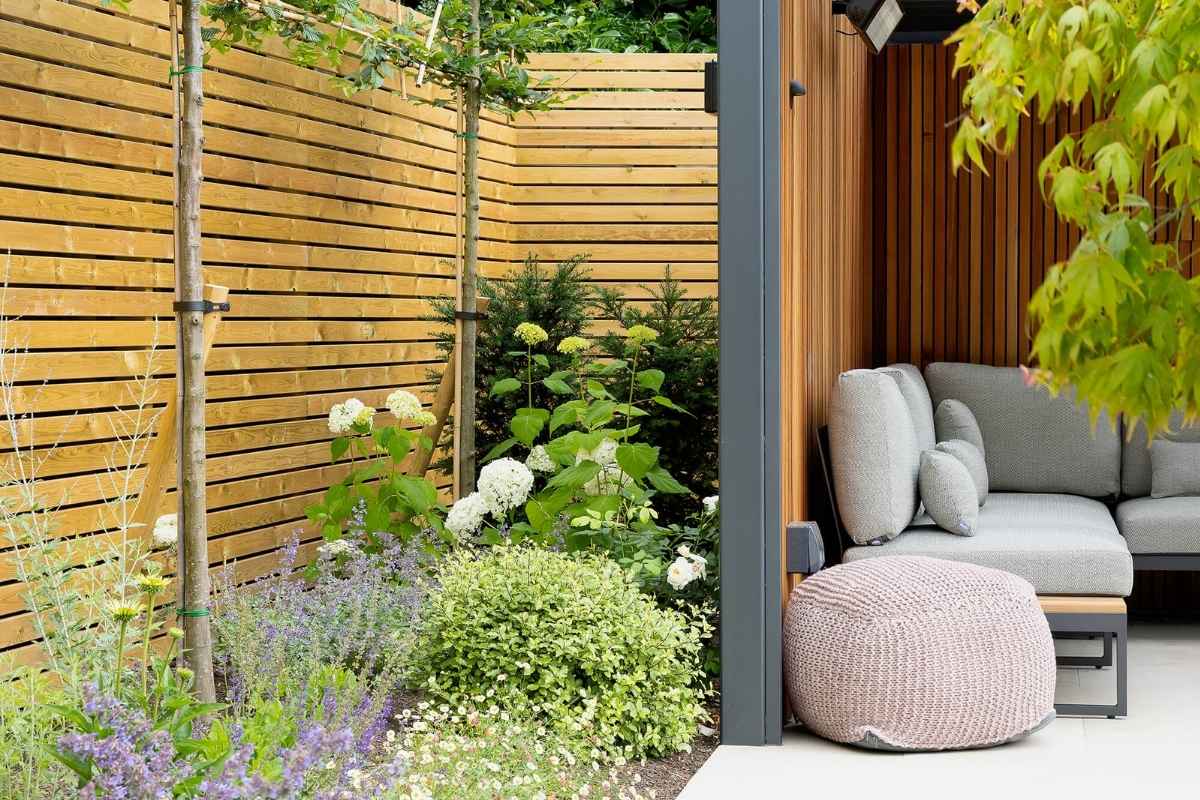
Many more modern gardens are extensions of the home. Homeowners are increasingly dedicating their outdoor space to relaxation, entertainment, and well-being.
Proper landscaping can integrate function with beauty in a few ways:
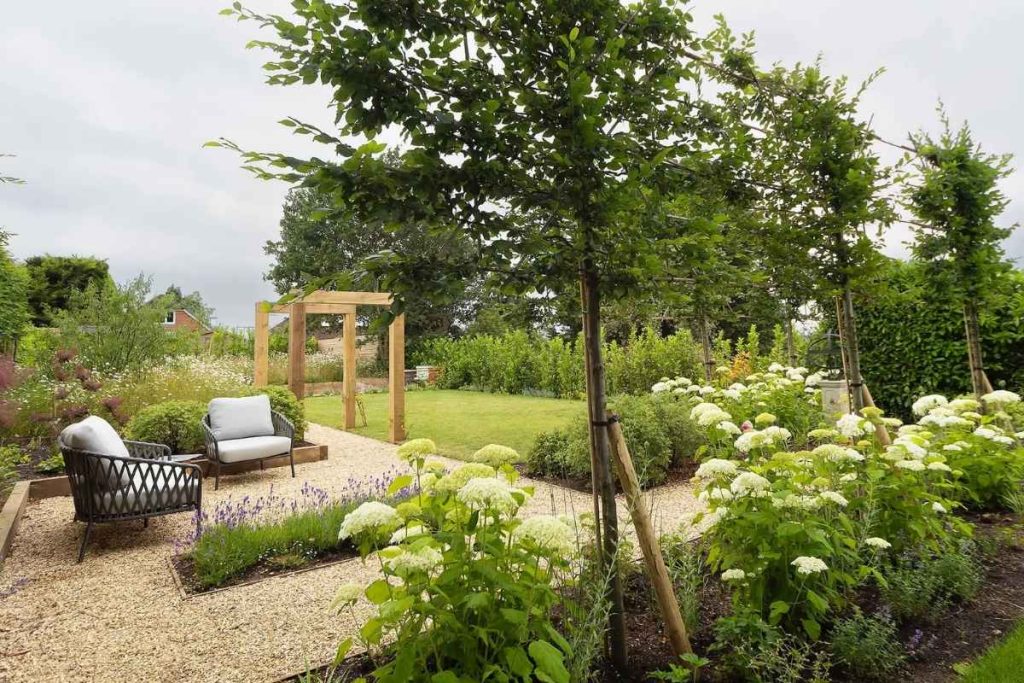
- Seating areas
- Paved terraces
- Outdoor kitchens or dining areas
- Pathways
- Privacy, using fencing or screens
- Lighting for ambience
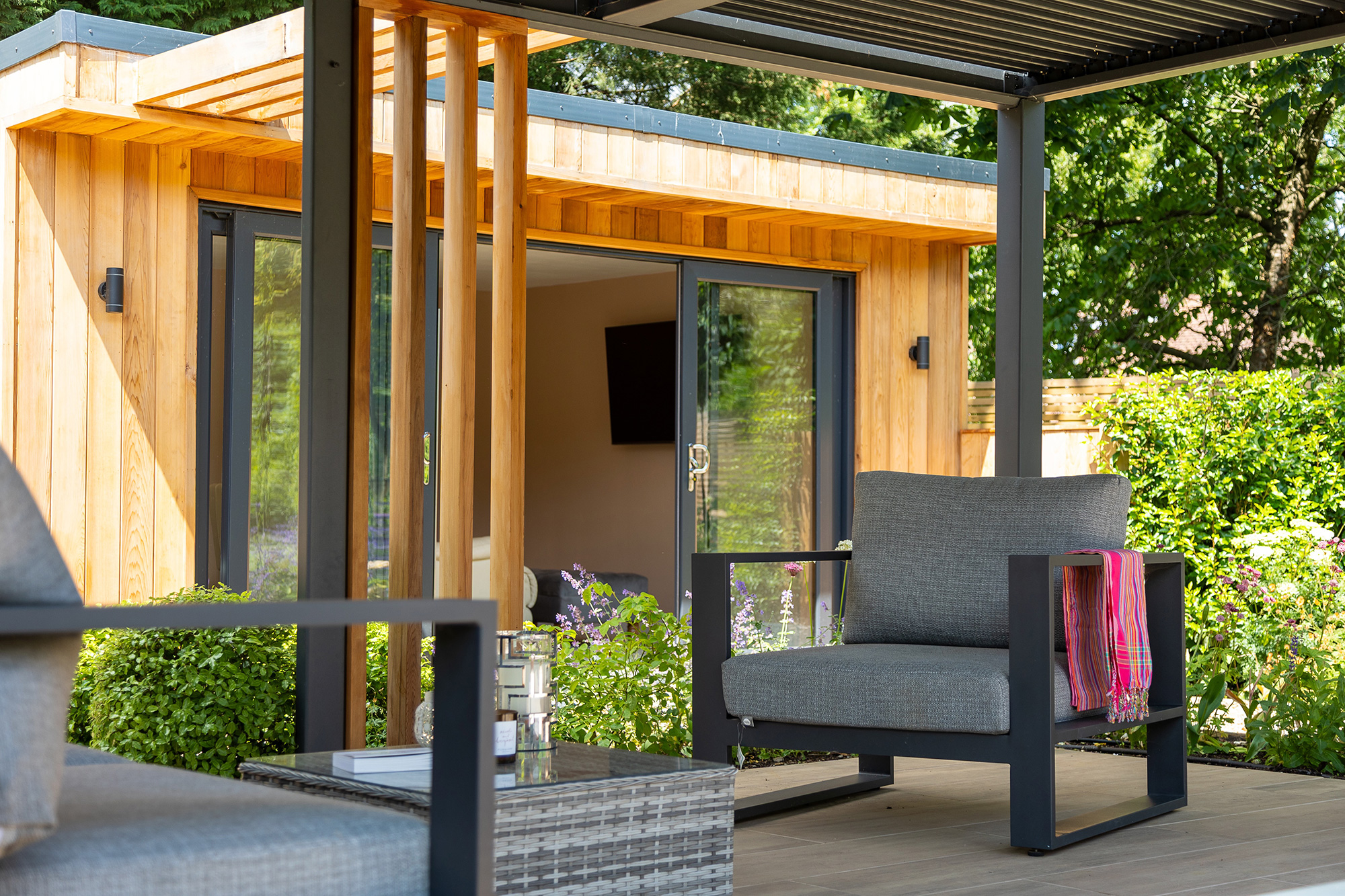
Garden rooms may be worth considering if you want a focal point for your outdoor space. As a dedicated outdoor building, they can be used for everything from a gym to a home office, to a kitchen; the options are endless. This can make your garden feel intentional, rather than accidental.
For clients who want more than just foliage, thoughtful design can elevate your garden into a part of your lifestyle, rather than just a beautiful view.
Landscaping is not simply about adding things to a space; it is about intention and purpose. To help you discover that purpose and create an outdoor space perfect for you, get in touch.
Plant Guide for Landscaping
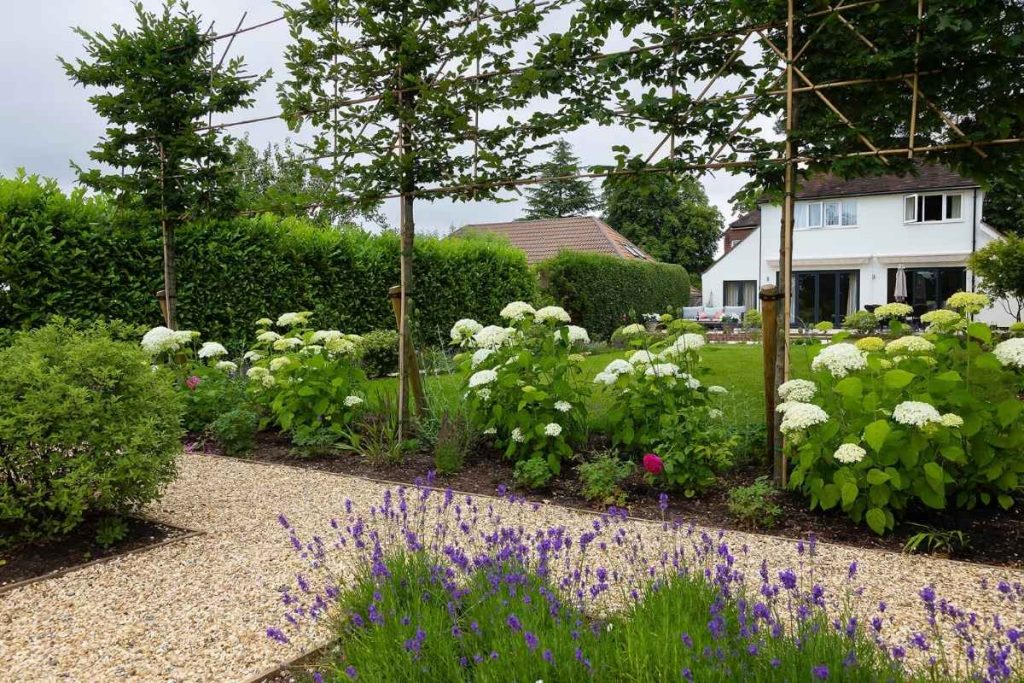
Planting is where your personality can shine. But there are some limitations when considering the garden you are working with. Soil type, sunlight, and local climate can have a big impact on your options.
When choosing a plant, a professional would consider:
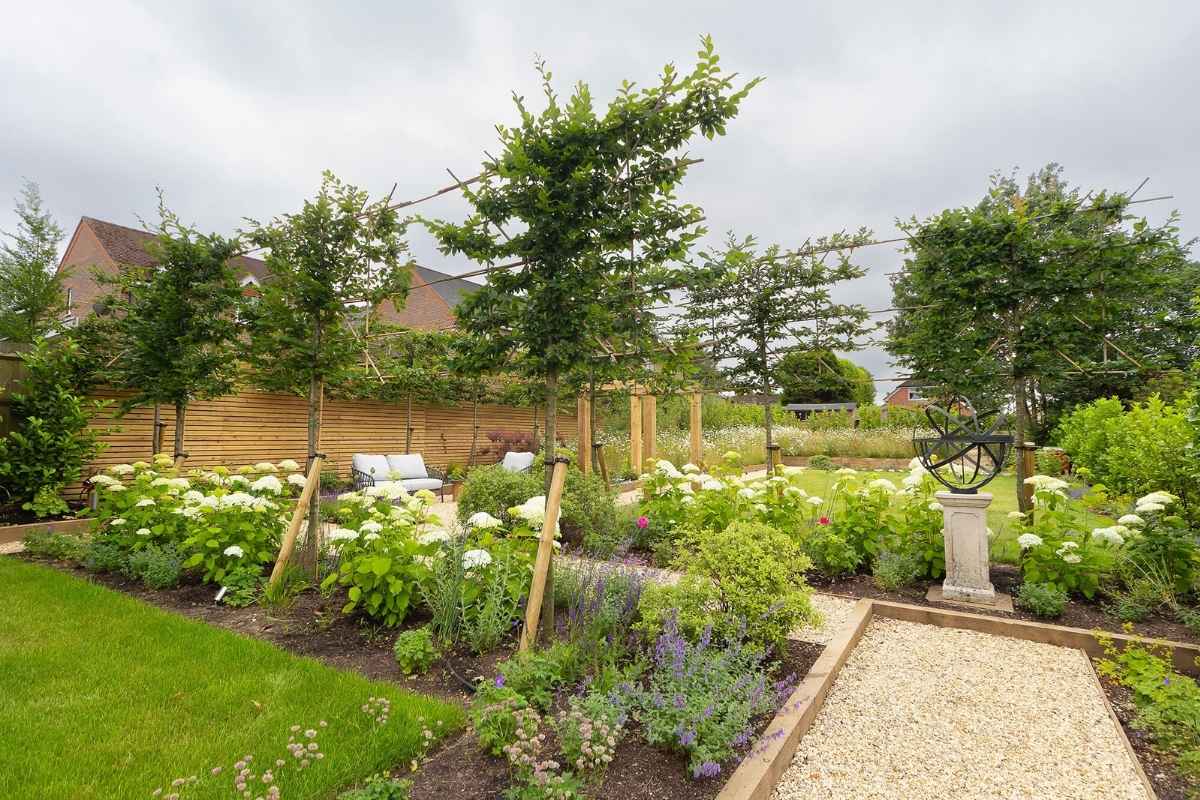
- Seasonal interest (spring bulbs, summer perennials, autumn colours, and winter structure)
- Layering (trees, shrubs, ground cover)
- Biodiversity and support for pollinators
- Maintenance
There are benefits to incorporating native trees and shrubs into your outdoor space. It can support wildlife and the local ecosystem.
Rather than selecting only attractive plants, a professional would consider a planting scheme that balances colour, texture, height, and longevity. This would ensure your garden matures gracefully and benefits the surrounding environment.
For those searching for a plant guide for landscaping, the most important points are: ensure your selection is strategic, not only decorative. If chosen correctly, plants will thrive with little intervention.
Project Management and Aftercare
A professional landscaping project doesn’t end after installation. Ongoing maintenance is essential to preserve plant health and structural integrity.
A professional landscaper would:
- Timelines and trades
- Material acquisition
- Quality control
- Health and safety compliance
The aftercare may include:
- Plant establishment visits
- Irrigation guidance
- A seasonal pruning schedule
- Lawn care guidance
The British Association of Landscape Industries (BALI) notes that associated landscapers adhere to standards that protect both workmanship and customer satisfaction.
This structured approach will ensure that your garden continues to flourish long after all work has been completed. Attention to detail turns landscaping into a long-term investment.
Let the Professional Handle Everything
We hope that this guide has given you an idea of how a professional landscaper would approach a project. We hope it can serve as a guide for your outdoor space.
But if you are looking to leave work to the professionals, Winslade Landscapes is here for you.
Get started by giving us a call on 07500 556831 or emailing us to see how we can bring your dream garden to life.