When exploring the garden landscaping market, professionals use various terms.
The two most commonly used phrases are ‘soft’ and ‘hard’ landscaping. If you’ve never considered a landscaping project before or are simply looking to enhance your gardening and horticultural knowledge, we’re here to help.
Landscaping is an essential part of garden upkeep, so it’s important to know your options before undertaking your renovations.
In this article, we’ll explore the key differences between hard and soft landscaping to help you determine which service is best for your garden’s needs.
What is Hard Landscaping?
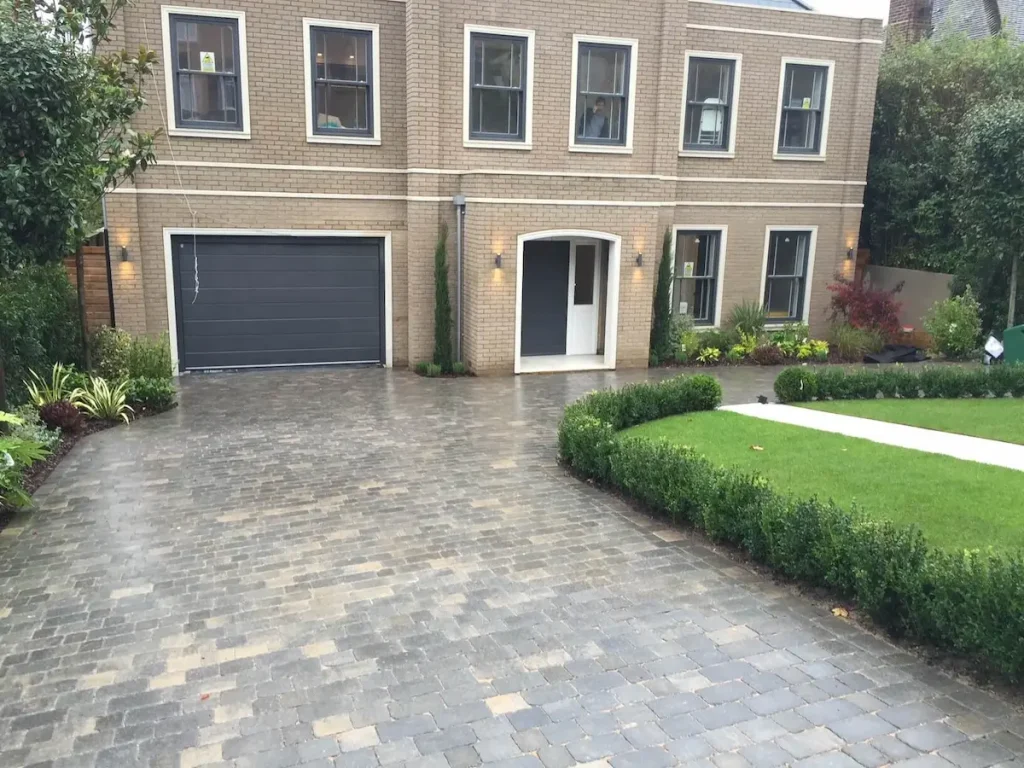
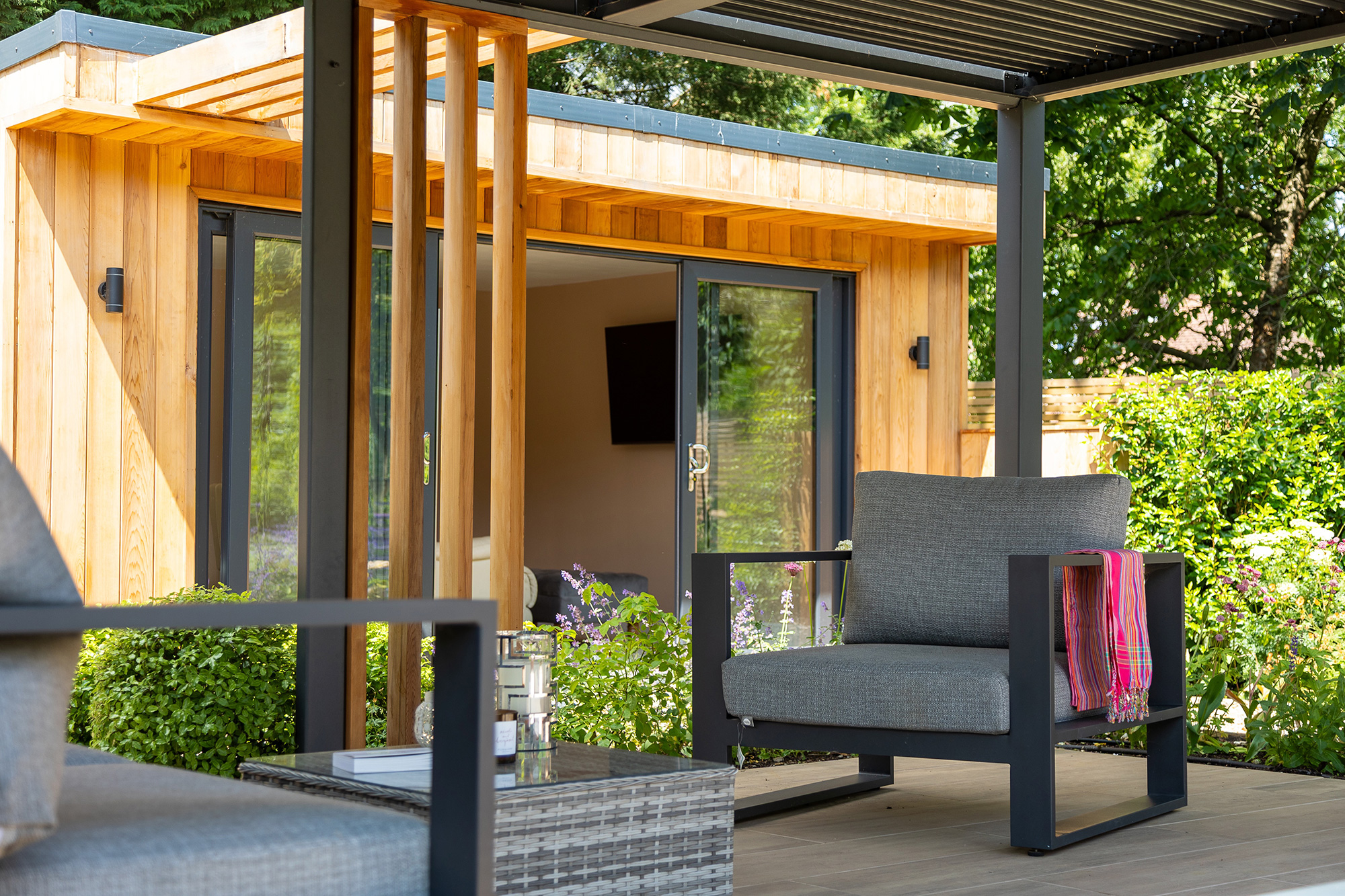
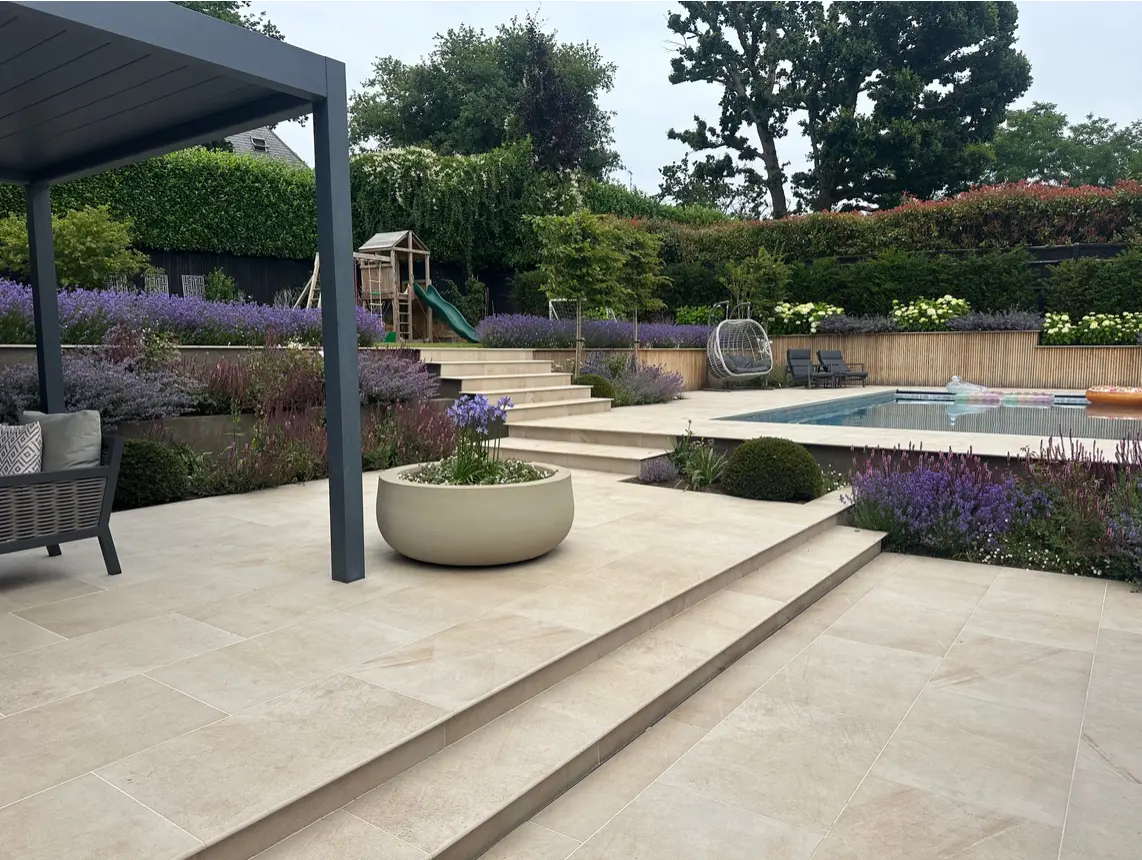
Hard landscaping, also known as hardscaping, refers to garden landscaping measures that focus on the non-living, often man-made, hard elements of a garden. This includes the likes of:
- Bricks
- Stones
- Patios
- Fences
- Structures (pergolas, gazebos)
- Paths
The Benefits of Hard Landscaping
Hard landscaping is an especially important task to undertake in any garden or outdoor space. Often, hard landscaping addresses the structural elements of a garden that make the space functional and livable, including drainage systems and safety measures.
However, hard landscaping isn’t purely practical, and there are many advantages to the practice:
- Easy maintenance: Unlike soft landscaping, the elements used in hard landscaping projects require less upkeep. Occasional maintenance and cleaning are still advised, but regular watering or feeding is less of a requirement.
- Resilience: Hard materials like brick and rock are more durable than softer ones, which usually grants them a much longer lifespan.
- Safety: Pathways and well-built structures make a space more functional and safe by providing homeowners with clear routes to different parts of their garden, free from obstacles.
- Aesthetics: While hard landscaping is more functional, this doesn’t exclude it from contributing aesthetic upgrades to your space. A well-designed path or structure can complement the other visual elements of your garden, often working in tandem with soft landscaping aspects.
- Value: Hard landscaping measures, such as driveways and patios, can be a highly valuable contribution to a space, given their complexity.
What is Soft Landscaping?
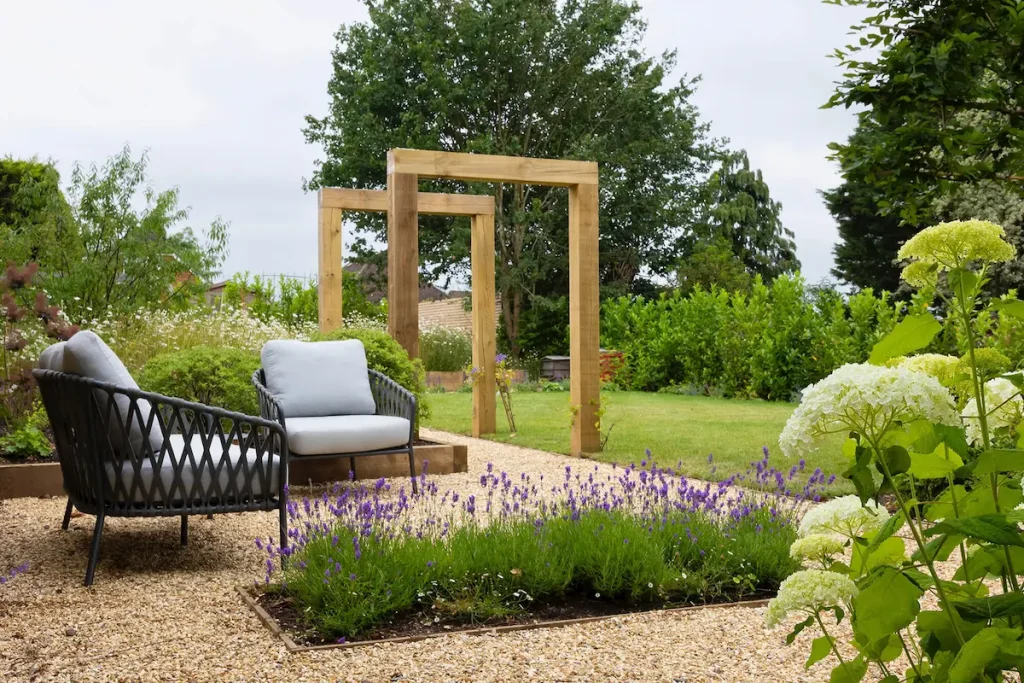
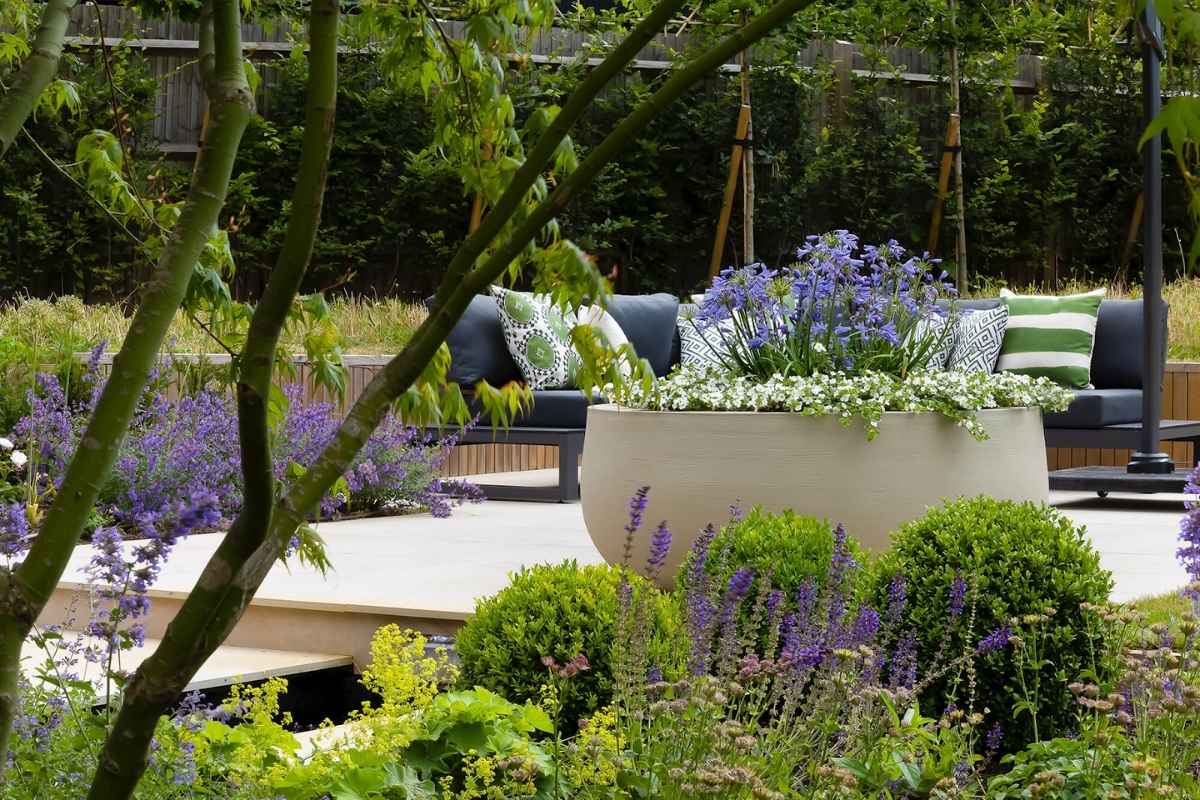
By contrast, soft landscaping refers to landscaping measures involving softer materials and substrates, like plants and other living organisms.
As such, soft landscaping usually refers to:
- Grass
- Trees
- Flowers
- Bushes
- Hedges
- Ponds (minus the hard structural elements)
The Benefits of Soft Landscaping
Soft landscaping can be a worthwhile investment for many outdoor spaces, with a mixture of environmental and visual benefits:
- Environmental: By introducing more organic materials into a garden, the space’s biodiversity is enhanced. This enables improved air and soil quality, a longer lifespan for green elements, and a better living environment for plants and insects.
- Enhanced visuals: Like hard landscaping, soft landscaping can contribute to a space’s overall appearance by offering visual embellishments that enhance curb appeal and change throughout the year.
- Costs: Soft landscaping often requires less machinery and time to undertake compared to hard landscaping. This generally makes it a more affordable option.
What is the Difference Between Hard and Soft Landscaping?
While soft and hard landscaping measures are often used in tandem, they are quite different. Here are some key differences between soft and hard landscaping:
Materials
The main difference between hard and soft landscaping revolves around the materials they interact with.
Hard landscaping, for example, refers to solid (hard) materials like rock and stone, whereas soft landscaping interacts with softer, often organic materials like grass and flowers.
Intent
When pursuing a soft landscaping project, the goal is often to alter the appearance of a space by making non-structural changes. With hard landscaping, gardeners aim to make more in-depth modifications that can significantly alter a garden’s layout and usability.
Equipment
Both soft and hard landscaping practices often vary depending on the types of equipment they use. For hard landscaping, it’s common to see diggers and excavators used to extract heavier materials from a garden. Meanwhile, soft landscaping can be carried out with much less extensive equipment, such as rakes, shovels, and wheelbarrows.
Complexity
Although hard and soft landscaping require considerable expertise, there is a significant gap in their difficulty. Hard landscaping generally involves more complex decision-making, which often demands the expertise of an experienced professional to advise on what should be done.
Soft landscaping practices can be easier to implement but often have a much more immediate impact on a space’s visual appeal. As such, homeowners may also benefit from the knowledge of a soft landscaping professional to ensure their vision comes to life.
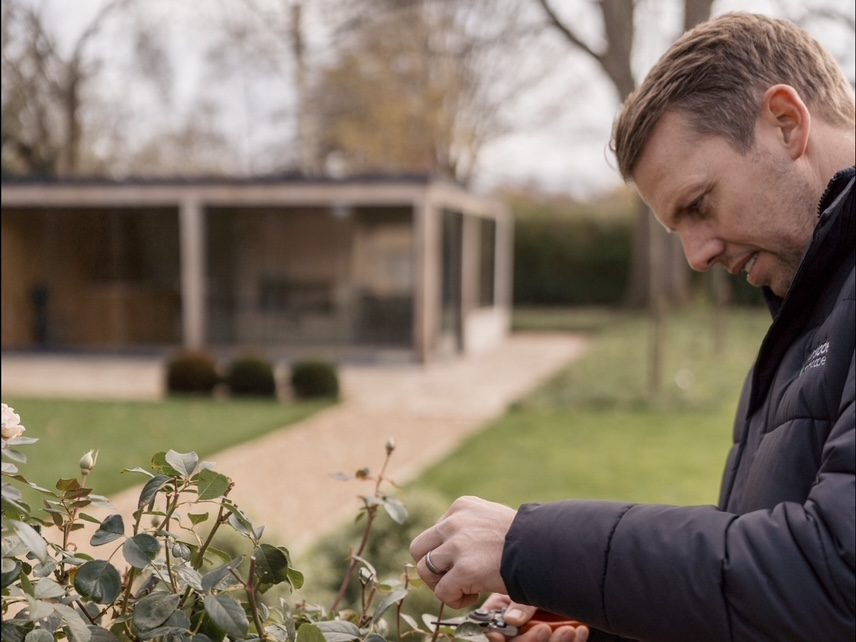
Gardening isn’t a ‘one and done’ exercise. Exposed to the natural environment, every garden requires ongoing maintenance to ensure it continues to look and function properly.
Hard landscaping elements are generally more robust than soft landscaping, which usually means less cleaning and upkeep. Soft landscaping elements, however, require more care to keep them in place. Plants and grass should be watered and fed at regular intervals, while stone and brick only need to be cleaned every so often.
Which One Should You Choose?
When it comes to choosing between hard and soft landscaping, the answer isn’t as clear-cut as you may hope.
While it is possible to pursue one over the other in some circumstances, usually, soft and hard landscaping come as a package deal.
If you’re completely gutting out and re-configuring a garden, simply digging it up and installing borders/structures isn’t enough. To truly finish a project, a landscaping professional will consider both how it looks and how it functions together. This ensures that a garden is both livable, enjoyable, and stylish for years to come.
Take a look at our work for some inspiration.
Your Soft and Hard Landscaping Partner
If you’re considering a garden revival, we can help.
At Winsalde Landscapes, we offer professional, award-winning hard and soft landscaping services throughout the UK. Based in Surrey, our expert team works with you to determine your goals and establish your visual preferences to build the garden of your dreams.
From pathways to patios, flower beds to lawns, our landscaping team can help unlock your garden’s true potential.
Contact us today to talk about your project.
If you’d like to learn how to maintain your hard and soft landscaping, read our blog on ‘How to Maintain Your Garden in the Winter: 5 Key Maintenance Jobs‘ and for more landscaping tips, check out our blog.